Farming that gives back more than it takes.
The volcanic soil of Mt Elgon is a gift, and gifts can be spent. We farm to leave the land richer each season, not poorer.
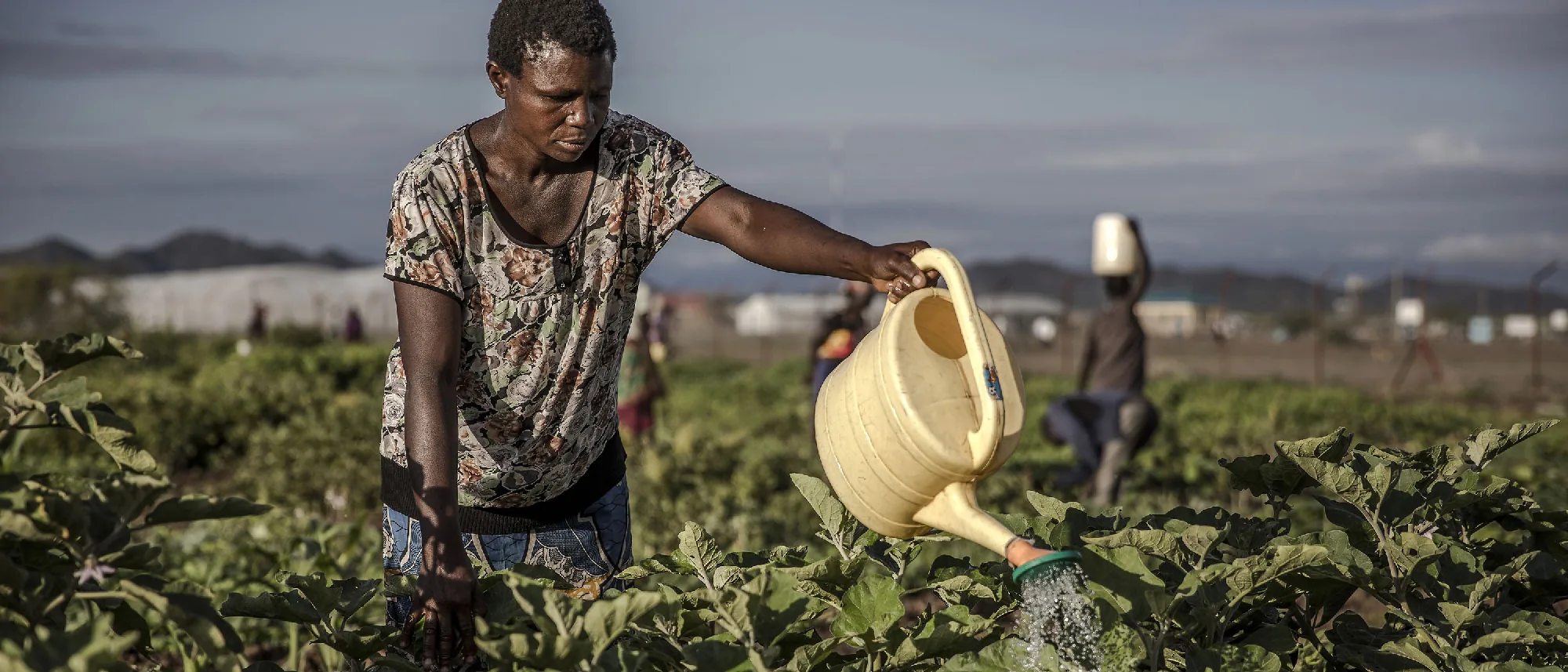
Four habits that keep the farm alive.
Feed the soil
Compost, manure and crop rotation before any bag of fertiliser. Living soil holds water and grows stronger every year.
Respect the water
Mulching, contour planting and careful timing so the two rains go into the crop, not down the hill.
Plant the trees
Shade and boundary trees hold the slopes, feed the bees and give the coffee the cover it likes.
Close the loop
Animals eat the residues, the fields get the manure, and very little ever leaves as waste.
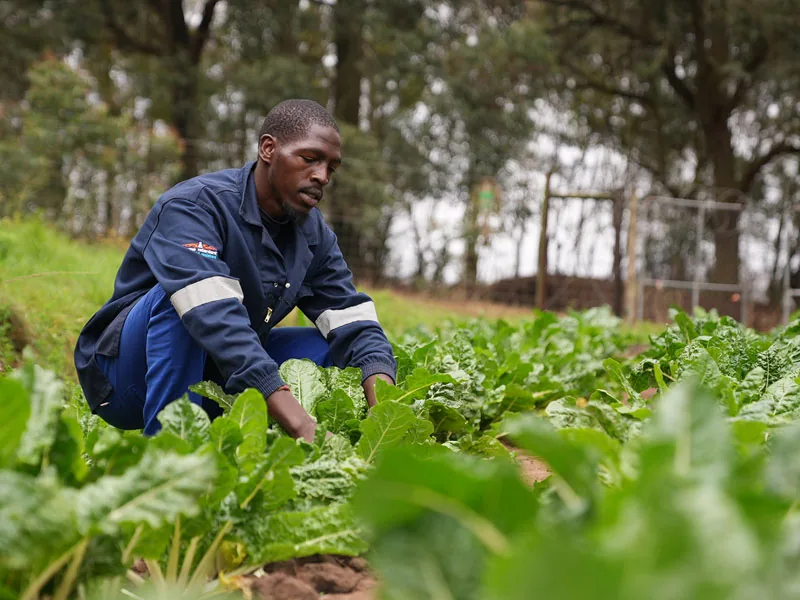
Healthy soil is the whole business.
Everything else follows from the ground. We test what our fields need, feed them with compost and manure from our own animals, and rotate crops so no single bed is asked to give the same thing twice in a row.
Legumes like beans and groundnuts pull nitrogen back into the soil for free, and cover crops keep it shaded and alive between plantings.
Two rains a year, and not a drop to waste.
On a hillside, water is either your best friend or the thing that carries your topsoil away. We plant along the contours, mulch heavily, and let boundary trees and grasses hold the ground in place.
- Water that stays put
Mulch and contours turn runoff into a deep drink for the crop.
- Trees on the boundaries
Roots that hold the slope, shade for coffee, and flowers for bees.
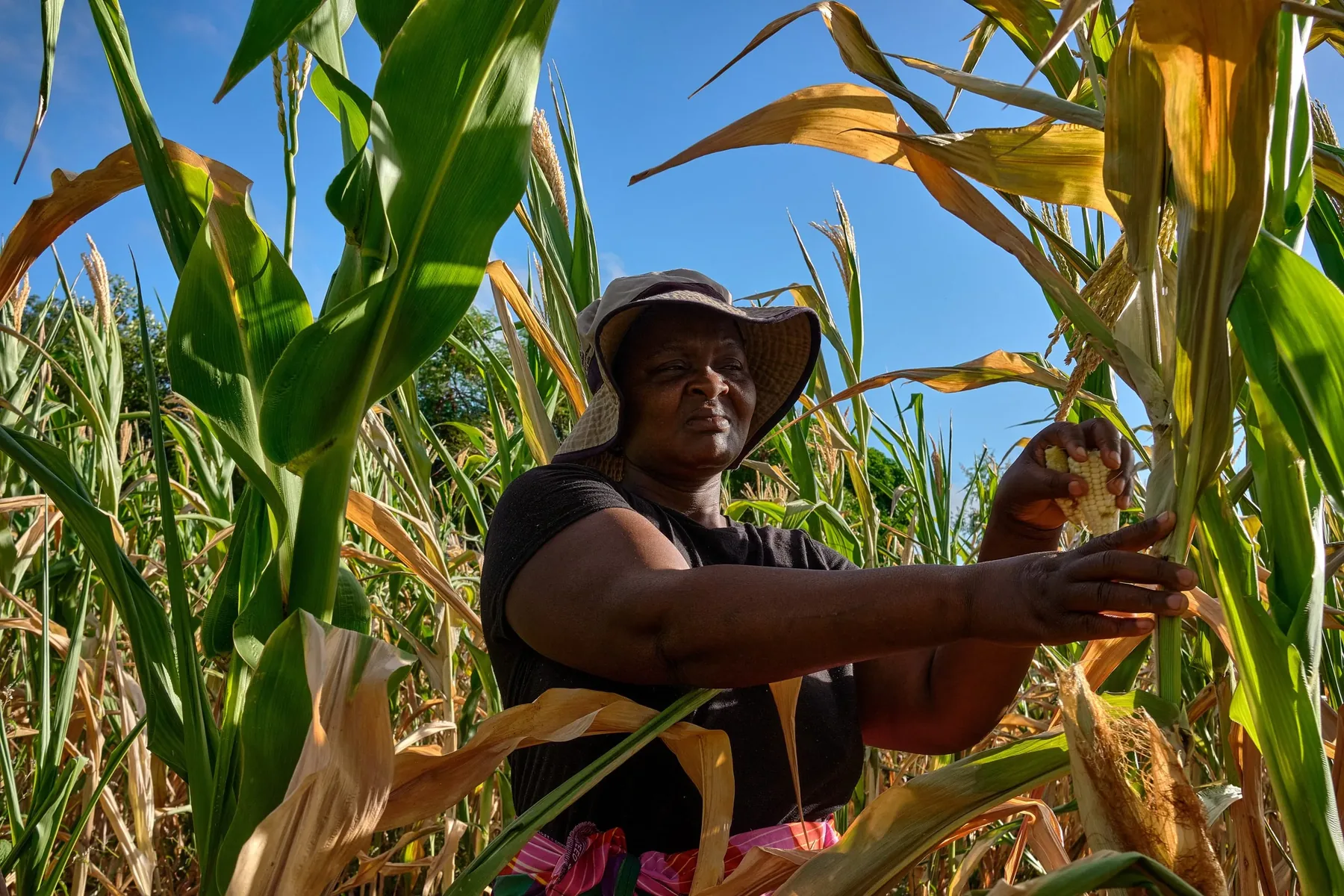
Good practice is good business.
Steadier harvests
Soil that holds water shrugs off a short dry spell, so the yield does not swing wildly from year to year.
Lower costs
Home-made compost and nitrogen from legumes mean fewer bought inputs and more margin left on the farm.
Land for the long run
The hillside we farm today should still be fertile for whoever farms it in thirty years. That is the point.
Farming you can feel good about buying from.
Work with a farm that treats the land, and its produce, with respect.